Indoor Air Quality

Understanding the Air Inside Canadian Homes

Airtight construction reduces heating costs but changes how pollutants, moisture, and fresh air behave indoors. This resource covers ventilation systems, filtration standards, and common pollutants found in modern Canadian homes.
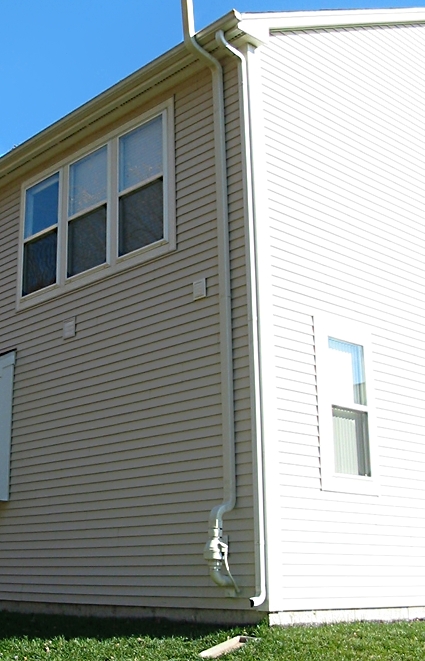
Dedicated outdoor air system ventilation diagram showing airflow path through a mechanical ventilation unit

Ventilation, Filtration, and Pollutants

Three reference articles covering the main topics relevant to indoor air quality in Canadian residential construction.

What This Resource Addresses

Each topic connects to practical decisions homeowners and builders face when dealing with airtight modern construction in Canada.

🏠

Airtight Construction Context

Canadian building codes increasingly require high-insulation, low-infiltration envelopes. This changes the dynamics of indoor air entirely — what enters and leaves the home is now largely controlled by mechanical systems rather than incidental leakage.

💨

Pollutant Sources and Behaviour

Radon migrates from soil through foundation gaps. VOCs off-gas from engineered wood products and finishes. Combustion appliances produce CO and nitrogen dioxide. Understanding source behaviour is the starting point for any mitigation strategy.

Mechanical Ventilation Systems

HRV and ERV units have become standard in new Canadian construction. Their effectiveness depends on correct sizing, balanced airflow, and regular maintenance — three areas where performance often falls short in practice.

📶

Filtration in Central Systems

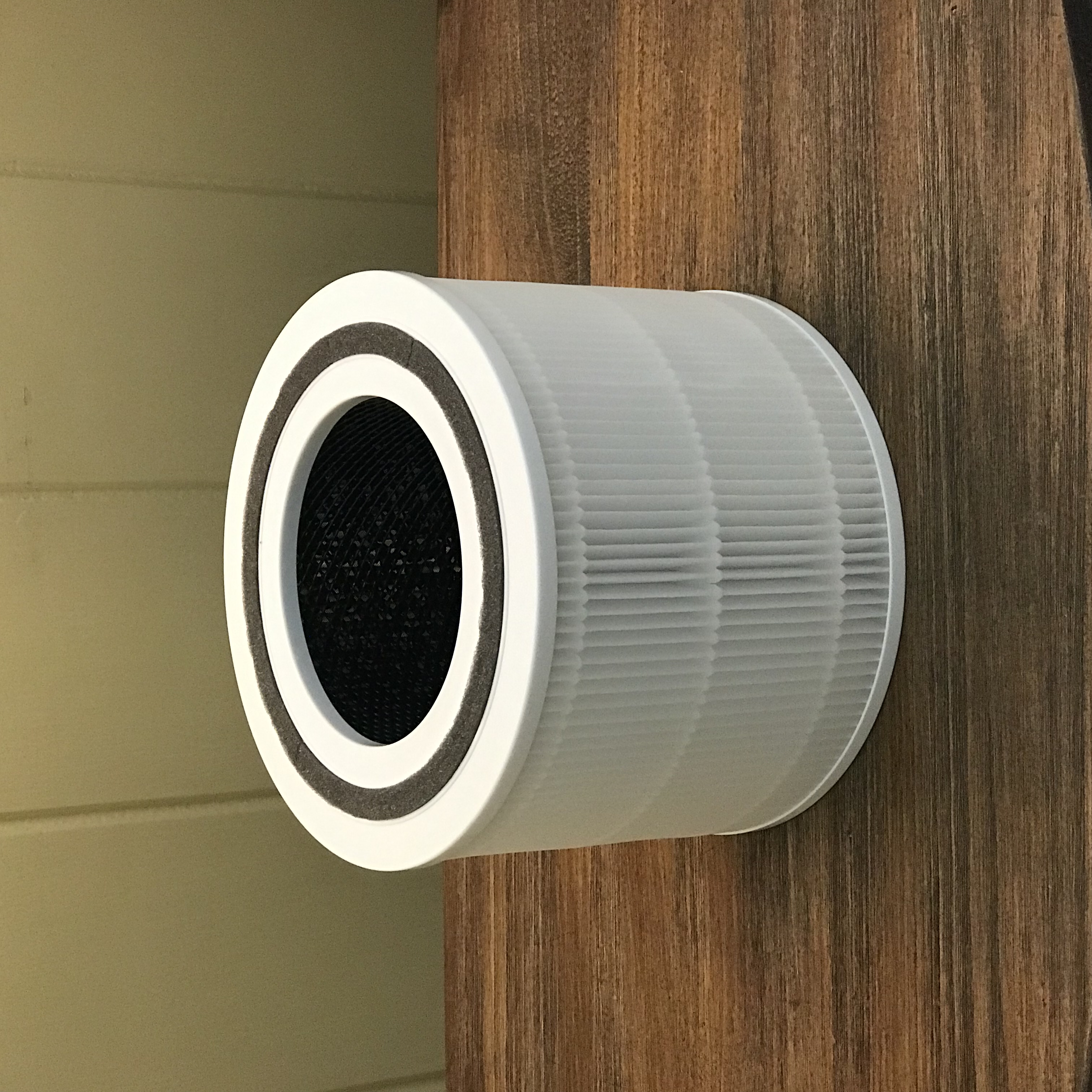
MERV-rated filters installed at the furnace or air handler are the first line of particle control for whole-home systems. Higher MERV ratings capture smaller particles but increase static pressure, which can reduce airflow in undersized systems.

🌡

Canadian Climate Considerations

Cold winters mean HRV cores can frost if not managed properly. Summer wildfire seasons in British Columbia and Alberta generate PM2.5 events that challenge standard residential filtration. Regional radon geology varies significantly across provinces.

📋

Standards and Guidelines

Health Canada publishes indoor air quality guidelines for radon, formaldehyde, and other pollutants. ASHRAE 62.2 sets minimum residential ventilation rates. The National Building Code of Canada addresses mechanical ventilation requirements in Section 9.32.

Questions About Indoor Air Quality

Use this form to submit questions or topic suggestions. This form does not connect to a live support system — responses are not guaranteed.

This site provides general reference information only. Specific concerns about indoor air quality, ventilation design, or pollutant levels in a home should be assessed by a qualified building science professional or certified industrial hygienist.